
Rethinking Anti-G Protection
ATHERIS rethinks the traditional anti-G suit by enclosing the lower body inside the pressure envelope, reducing bulk while increasing protection and comfort.
The Problem
Incremental Improvements.
Same Core Architecture.
Anti-G suits have evolved through improved materials and refinements, but the underlying approach remains the same. External pressure, layered construction, and partial coverage define how these systems operate. The result is a design that can be improved, but not fundamentally advanced within its current architecture.
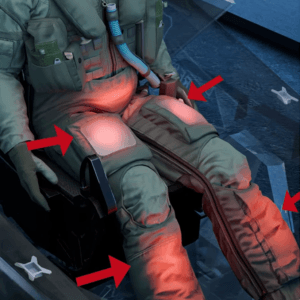
External Pressure System
Bladders apply force from the outside in, creating the potential for discomfort.
Layered Construction
Multiple materials are stacked as individual layers rather than an optimized integrated system adding unnecessary bulk, weight, and heat.
Thermal Burden
Heat retention increases with each added layer, impacting comfort, focus, and endurance during sustained use.
Limited Coverage
Pressure is applied to select areas rather than the full lower body, leaving gaps that reduce effectiveness.
Diminishing Returns
Material improvements continue, but performance gains have plateaued within the limits of the current design.
System Constraints Remain
Performance is tied to the architecture, which limits meaningful advancement without a fundamental change
THE SOLUTION
The ATHERIS Architecture
ATHERIS replaces segmented, external compression with a fully enclosed pressure environment around the lower body. This approach delivers consistent pressure, complete coverage, and a more efficient system overall.
Core Principals
Simplified Design
100% Lower Body Coverage
The entire lower body is enclosed within the system, allowing pressure to be applied evenly without gaps.
Fewer Layers
With fewer layers and a more efficient structure, the suit reduces bulk and allows for easier movement in and out of the cockpit.
Integral Air Cooling
Airflow around the body is part of the system, helping regulate temperature and reduce thermal burden.
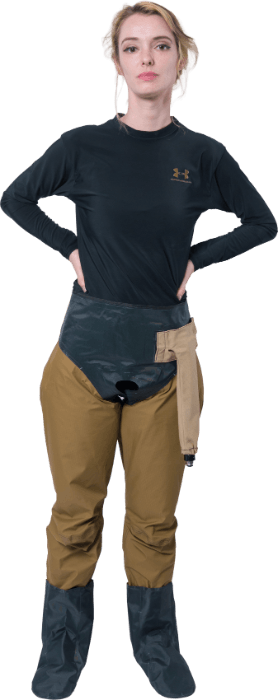
INNER HALF-SUIT
Encloses The Aircrew
At the core of the ATHERIS architecture is a contained pressure system that surrounds the lower body. Instead of forcing compression from the outside, the aircrew is inside the pressure volume allowing for more consistent performance and improved comfort.
Inner System Components
Enclosed Pressure Volume
Pressurized air is contained around the lower body, creating a uniform pressure environment rather than relying on localized compression.
Double-Walled Abdominal Bladder
A reinforced abdominal structure manages pressure in a critical area while maintaining stability and control under load.
Selectively Permeable Fabric
Inner suit material is constructed using semi permeable materials that allow moisture to escape while retaining pressure. This helps keep the aircrew cooler throughout the mission.
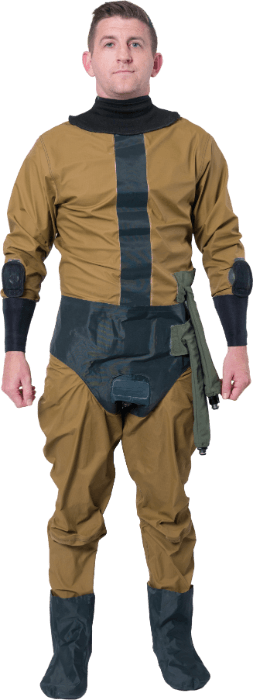
Inner Full Suit
Integrates Immersion Protection
The ATHERIS architecture facilitates immersion protection by substituting the inner half-suit with a full-immersion garment that incorporates g-protection. This is a single integrated layer versus the traditional use of separate garments.
Full Inner Suit (IPG) Configuration
Combined G + Immersion Protection
G-protection and immersion capability operate as a unified system, reducing the need for separate equipment and simplifying integration.
Reduced Bulk
Combining systems removes redundant layers, resulting in a more streamlined configuration compared to traditional setups.
Upper Torso Air Cooling
Semi permeable materials allow the body to breathe and stay cooler passively. Optionally airflow can be directed to the upper torso to help manage heat during extended operations.
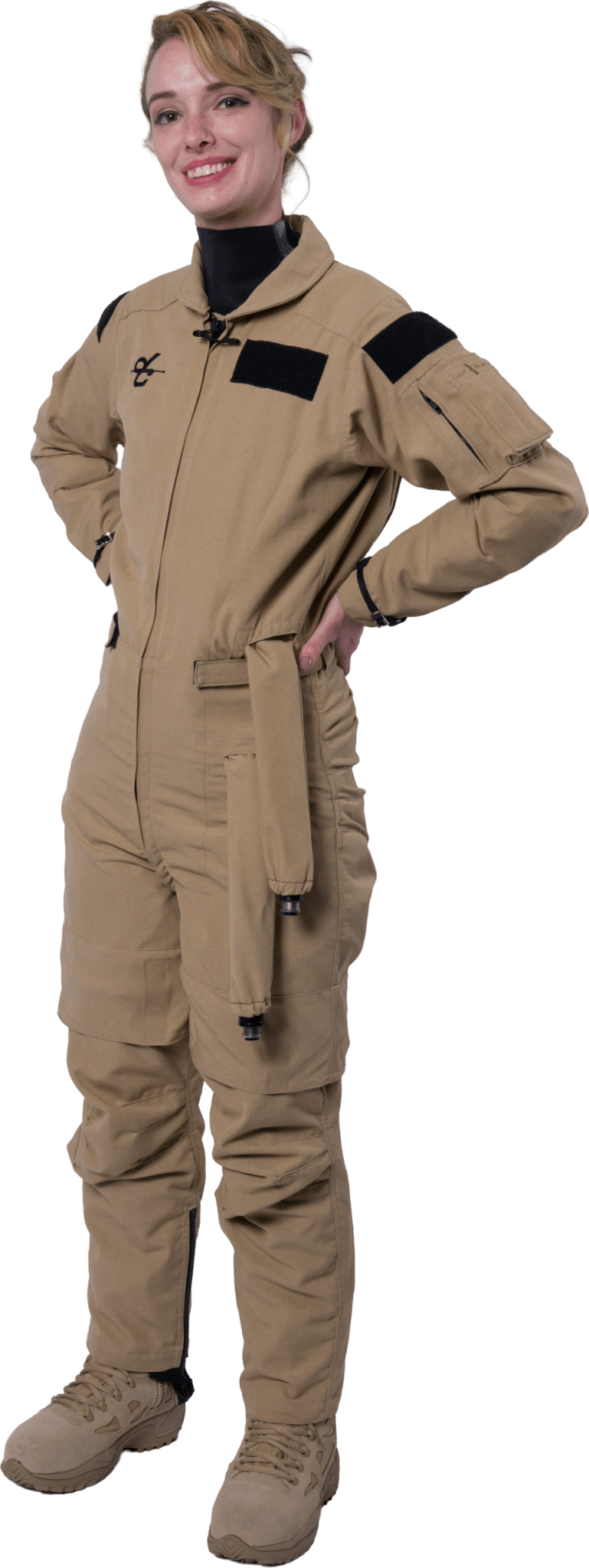
OUTER SUIT
Familiar Form. Different Capability.
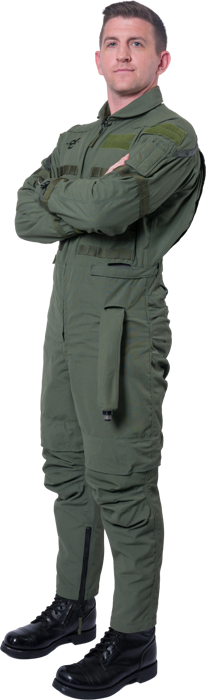
The outer layer is functionally a standard flight suit while supporting the requirements of the ATHERIS system. It provides protection, manages structural loads, and integrates seamlessly with legacy platforms.
Outer Suit Features
Fire-Retardant Protective Layer
The ensemble will meet all requirements for fire retardancy.
High-Strength Restraint Fabric
Low-elongation materials manage expansion under pressure.
Integrated Modular Features
Integrated MOLLE, flail restraint, LPU attachment and other features to support all current equipment requirements.
System COnfiguration
One System, Multiple Setups
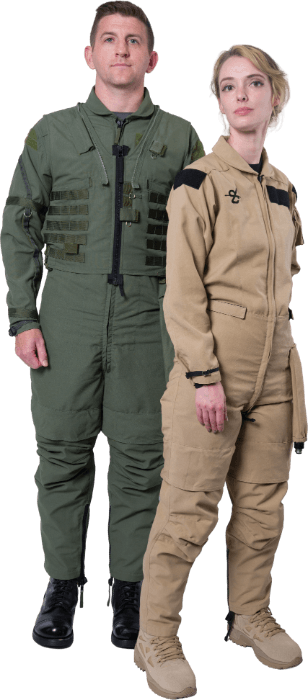
ATHERIS supports multiple configurations built on the same core architecture. Each option is designed to integrate with existing equipment while adapting to different mission requirements and platform constraints.
Configuration Options
Baseline
Worn with the Half Inner Suit or Full Inner Suit. Compatible with qualified flight jackets and LPUs
Integrated
Worn with the Half Inner Suit or Full Inner Suit. Integrates the features of the flight jacket into the baseline suit to form a complete single garment with less layers and bulk. Compatible with qualified LPUs.
SIZING & FIT
Fit That Scales Across the Force
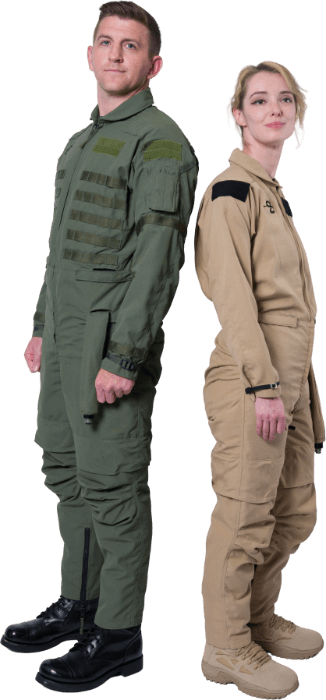
The architecture of the inner and outer suit accommodates a wide range of female and male sizes with a minimal number of standard sizes. There are no fit adjustments on the inner suit and just one in each leg of the outer suit.
Ensemble Fit
Forgiving Inner Suit Sizing
The inner suit architecture accommodates a wide variation in body shape & size.
The outer suit establishes structure and load paths, ensuring consistent performance regardless of internal body shape and size variation.
Male & Female Optimization
Fit profiles account for differences in anthropometry, supporting both male and female aircrew.
UNDERGARMENTS
Designed for Operational Practicality
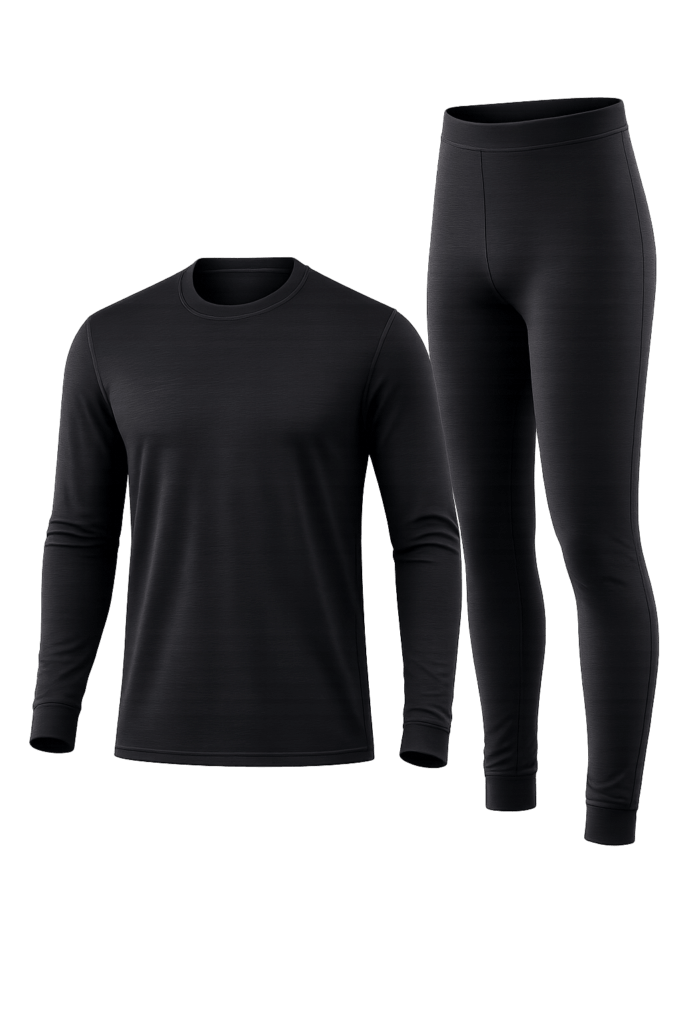
The ATHERIS system was developed with real-world aircrew operations in mind, including environments where dedicated changing facilities may not be available. Aircrew may wear close-fitting garments such as Merino Wool athletic wear beneath the inner suit.
Operational Flexibility
No Dedicated Changing Space Required
The system accommodates practical undergarment layers, reducing concerns around privacy or complete disrobing before flight preparation.
Undergarment Compatibility
Fabrics such as Merino Wool base layers can be worn beneath the inner suit while maintaining intended pressure performance and comfort characteristics.
Moisture & Thermal Management
Merino Wool helps regulate temperature and manage moisture during extended wear without interfering with the pressure architecture.
Built For Performance
From The Ground Up
ATHERIS’ innovative, rather than incremental, approach to anti-G suit design yields significant benefits across all critical performance requirements for anti-G suits
| Performance | ATHERIS vs. Traditional Full Coverage |
|---|---|
| Static Comfort | Fewer layers with less overall bulk |
| Signficantly less weight | |
| Lower thermal burden, signficantly less sweating | |
| Dynamic Comfort | No pressure points or hot spots in the lower body under g |
| Reduced AGSM required, lowering aircrew workload & effort across all g levels | |
| G Tolerance | 10% improvement in peak gs |
| Overall reduced need for AGSM improving safety and pilot workload | |
| Number of Sizes | Less than ½ of current legacy anti-G suits |
frequently asked questions
Questions & Clarifications
Technical questions, design considerations, and practical details about the ATHERIS system.
For anything else, feel free to contact our team.
Is ATHERIS compatible with existing aircraft systems?
Yes. All critical fit and functions have been evaluated and in specific cases tested within legacy aircraft ejection platforms.
Is ATHERIS compatible with existing UCD systems?
Yes, ATHERIS has been evaluated with current UCD products and systems including Skydrate. The Skydrate passthrough has been successfully integrated with Atheris IPG inner suit.
Is the ATHERIS Ensemble Berry Amendment compliant?
Yes.
Can the Baseline Suit be used with any qualified Flight Jacket?
Yes. And the Integrated Suit can be fitted to any qualified LPU.
Does David Clark have experience with anti-G suits?
Absolutely. Our legacy in high-performance protection began in the early 1940s when we developed the first commercially successful anti-G suits used by Allied pilots during WWII. Since then, we have consistently refined our designs to meet the evolving demands of aerospace flight. Our extensive experience includes:
- Advanced G-Protection: Most recently, we designed the critical bladder portion for the Advanced Technology Anti-G Suit (ATAGS).
- High-Altitude Mastery: We engineered and manufactured the specialized full-pressure suits for iconic programs like the U-2 and SR-71 Blackbird.
- Space Exploration: We are currently providing the Orion Crew Survival System (OCSS) suits for NASA’s historic Artemis program.
With ATHERIS we have leveraged this decades-long expertise in life-support and high-altitude protection to deliver an industry-leading anti-G ensemble.
trusted flight technology
Ready To Take Flight?
Reach out to us today to speak with our team and learn more about the Atheris ensemble